patch pockets
a big reason why I started love aunt maggie was to share, or at least document, all the random knowledge I have acquired about sewing over the last few years. even if that knowledge is just a pattern recommendation or a link to a really awesome tutorial on YouTube. in addition to posting about it here i'll be building all this information in a technique library.
today i am starting this by talking about pockets, in particular patch pockets.
patch pockets are the most basic type of pocket, a piece of fabric is attached to the main garment on three sides with either a zig-zag or edge stitch.
in my experience zig-zag stitching is the easiest way to attach these, but for a more professional look you will want to use edge stitching. regardless my advice is the same for the first time you do this: stitch slow and use a fabric combination that you won't need to worry about pattern matching with.
now sometimes these pockets can be jazzed up with a fold detail, as with the oliver + s hopscotch skirt, which i made for nora and etta for their back to school 2015 outfits:

to learn patch pockets i recommend the following patterns:
oliver + s little things to sew backpack
oliver + s ice cream dress & tunic
oliver + s hopscotch skirt (slightly trickier take out style pocket)
love,
aunt maggie


today we are talking about inseam pockets.
a type of of set-in pockets, inseam pockets are ones where the pocket bag is sewn into an existing seam, usually the side seam.

today we're talking about a type of pockets very common in adult clothing: the front hip pocket.

more about sleeves today, specifically my favorite types of sleeves for little girls: cap and flutter sleeves.


more sewing for skills, and today we're all about means to fasten fabric: buttons and snaps.
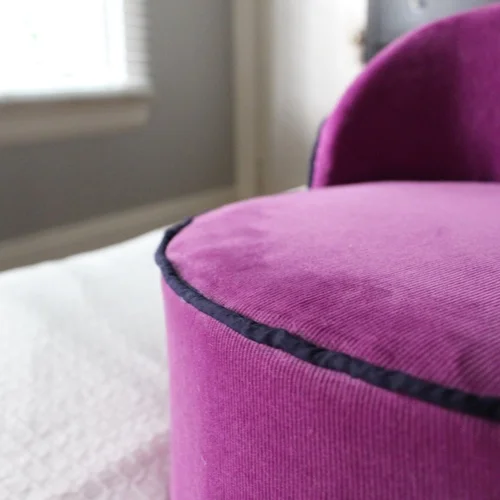
more sewing for skills today as I talk about piping which is one of my my favorite ways to accent an outfit.

today I'm talking about sleeves. sleeves are one of those things that look like they should be really hard, but in reality aren't that difficult.
so lets start with the basics: flat-set sleeves.

a big reason why I started love aunt maggie was to share, or at least document, all the random knowledge I have acquired about sewing over the last few years. even if that knowledge is just a pattern recommendation or a link to a really awesome tutorial on YouTube. in addition to posting about it here i'll be building all this information in a technique library.
today i am starting this by talking about pockets, in particular patch pockets.

final post in technique week! if you are just joining us here is what we have covered so far:
on monday i did a tutorial for making your very own fabric labels with just fabric, stamps, and ink. on tuesday i covered french seams, or rather the do's and don'ts of using french seams. on wednesday i talked about straight stitch seams and what i feel are the three key benefits of using them. on thursday i wrote a guide to facings, which are my personal favorite finishing technique.
for our final post today we are talking about the benefits of hand stitching.

technique week marches on!
if you're just joining us: on monday we had a tutorial for making your own fabric labels, on tuesday we discussed some do's and don'ts of french seams, on wednesday we had three reasons you should use straight stitch seams in your next project.
today we are talking about facings, which are probably my favorite technique. (i'm only saving hand stitching for tomorrow because so often it's the final step in a project, so it feels right to end the week on it.)

on monday we learned how to make your own fabric labels, yesterday we talked about the french seam, and today we are talking about my love of straight stitch seams and why you should use them in your next project.

for those of you who don't know a french seam is a finishing technique whereby you see the seam twice: once to attach the two pieces of fabric, and once to enclose the raw edge in a pocket on the inside of the garment.